A patchy lawn can be frustrating, especially when effort does not lead to visible improvement. In Pace, uneven grass growth is common due to soil conditions, weather shifts, and inconsistent upkeep. Many homeowners resort to quick fixes that temporarily mask the problem rather than address its cause. When issues continue despite effort, professional landscaping services in Pace can help identify what is actually holding your lawn back.
Understanding why grass fails to grow evenly is the first step toward restoring a healthier, more balanced yard that lasts beyond one season.
Why Patchy Lawns Are Common in Pace Neighborhoods
Patchy lawns rarely come from a single issue. In many Pace neighborhoods, soil drains quickly in some areas while compacting in others. Shade patterns shift as trees mature, and foot traffic slowly wears down grass.
Problems often develop gradually. By the time bare spots become obvious, the lawn has already been under stress for weeks or months. Early intervention helps reduce the effort needed for recovery.
Common contributors to uneven lawns include
- Soil compaction that limits oxygen and root expansion
- Inconsistent mowing height that weakens turf
- Drainage issues in low or shaded areas
- Repeated foot traffic in the same zones
Addressing these conditions requires consistency rather than isolated fixes.
How Professional Landscaping Services in Pace Diagnose the Problem
Rather than guessing, professional landscaping services in Pace evaluate growth patterns, soil response, and stress points. This approach identifies why grass struggles in specific areas instead of applying surface-level treatments.
Why DIY Lawn Repairs Often Do Not Last
Homeowners often try reseeding, fertilizing, or watering more frequently to fix patchy grass. While these steps can help temporarily, they often fail when the root cause remains untreated.
Without correcting compaction, mowing habits, or drainage problems, new grass struggles to establish. This leads to repeated patching with limited long-term success.
DIY repair efforts commonly fall short because
- Soil conditions are not properly assessed
- Grass is cut too short during recovery
- Weak areas continue receiving heavy traffic
- Treatments are applied inconsistently
A structured approach is usually required for lasting improvement.
How Consistent Lawn Care Supports Recovery
Patchy lawns respond best to predictable routines. Regular mowing at the correct height allows grass to thicken naturally, while consistent trimming reduces stress around edges and obstacles.
Over time, steady care helps turf regain balance instead of cycling through growth and decline. Homeowners working with ProMow Lawn often see stronger results because routines are followed carefully rather than applied sporadically.
When Professional Landscaping Services in Pace Becomes the Smart Choice
There is a point where effort alone is not enough. When patchy areas continue spreading or refuse to recover, experience becomes more valuable than trial and error.
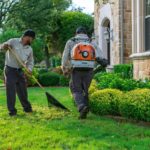
Professional landscaping services in Pace provide structured care, proper equipment, and trained observation that help lawns recover gradually instead of repeatedly resetting progress.
Benefits of professional support include
- Correct mowing height that protects root systems
- Even trimming that limits turf stress
- Reduced wear in high-traffic areas
- A cleaner, healthier overall appearance
This level of consistency is difficult to maintain without a clear plan.
Steps Homeowners Can Take Right Now
If your lawn shows uneven growth, start by observing patterns. Note where the grass struggles and avoid cutting too short. Limit foot traffic in weak areas and maintain consistent mowing intervals.
Simple changes paired with dependable service can stabilize growth. ProMow Lawn helps homeowners establish routines that support gradual recovery instead of short-lived improvements.
FAQ’s
Q1: What causes patchy lawns in Pace, FL?
Patchy lawns are often caused by soil compaction, drainage issues, inconsistent mowing height, shade patterns, and repeated foot traffic.
Q2: Can patchy grass recover without replacement?
Yes, many lawns recover with proper mowing height, reduced stress, and consistent care once underlying issues are corrected.
Q3: How long does lawn recovery usually take?
Initial improvement may appear within weeks, but full recovery often takes several months, depending on severity and care consistency.
Q4: Is watering more often helpful for patchy lawns?
Not always. Overwatering can weaken roots and worsen soil conditions, slowing recovery rather than helping it.
Q5: When should homeowners seek professional help?
Professional help is recommended when patchy areas persist despite regular care or continue spreading across the lawn.