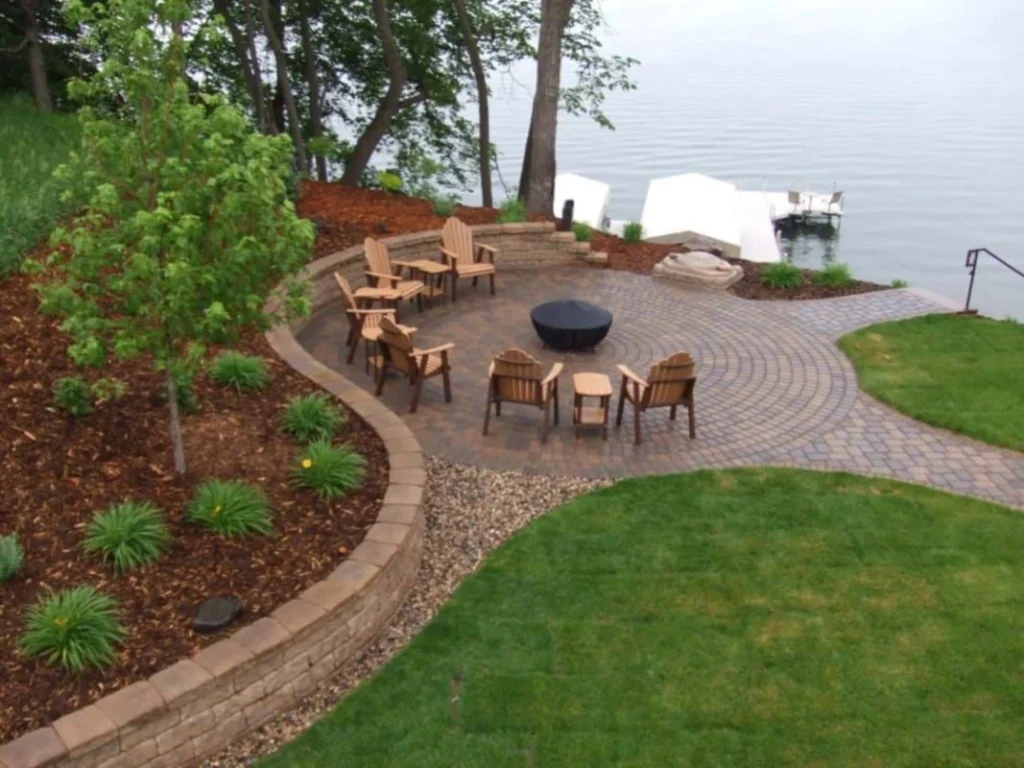
A complete landscape renovation can sound appealing until the driveway is blocked, irrigation decisions remain unresolved, and a perfectly usable lawn becomes a construction zone. Working in stages often protects the parts of a property that already function. Homeowners comparing landscaping companies in Milton, FL can begin with a plan that ranks drainage, access, turf condition, and planting areas before spending effort on decorative finishes.
The First Stage Should Resolve the Underlying Problem
With landscaping in Milton, FL, a thoughtful property review identifies surfaces that must be corrected immediately and features that can remain until another phase. This establishes a practical order rather than an arbitrary collection of projects.
Drainage and Access Before Decorative Work
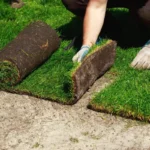
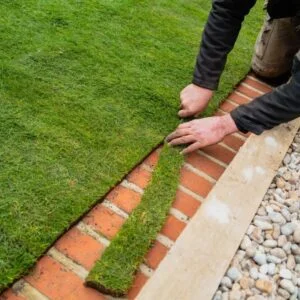
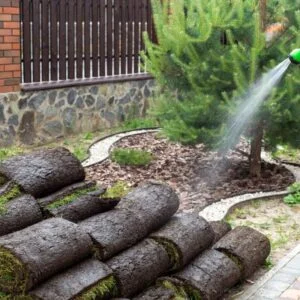
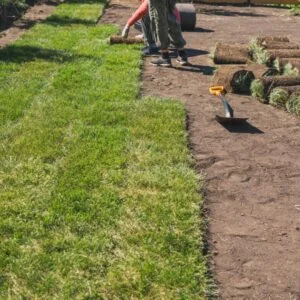
Water movement and daily routes influence every later decision. If sod installation is planned, soil preparation and grade considerations should be settled before new grass is laid. Those foundational choices reduce disturbance to fresh improvements during subsequent phases.
Splitting the Scope Into Manageable Phases
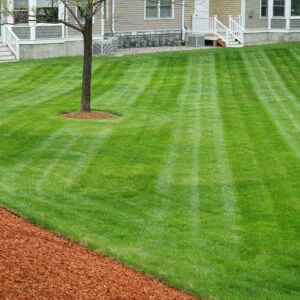
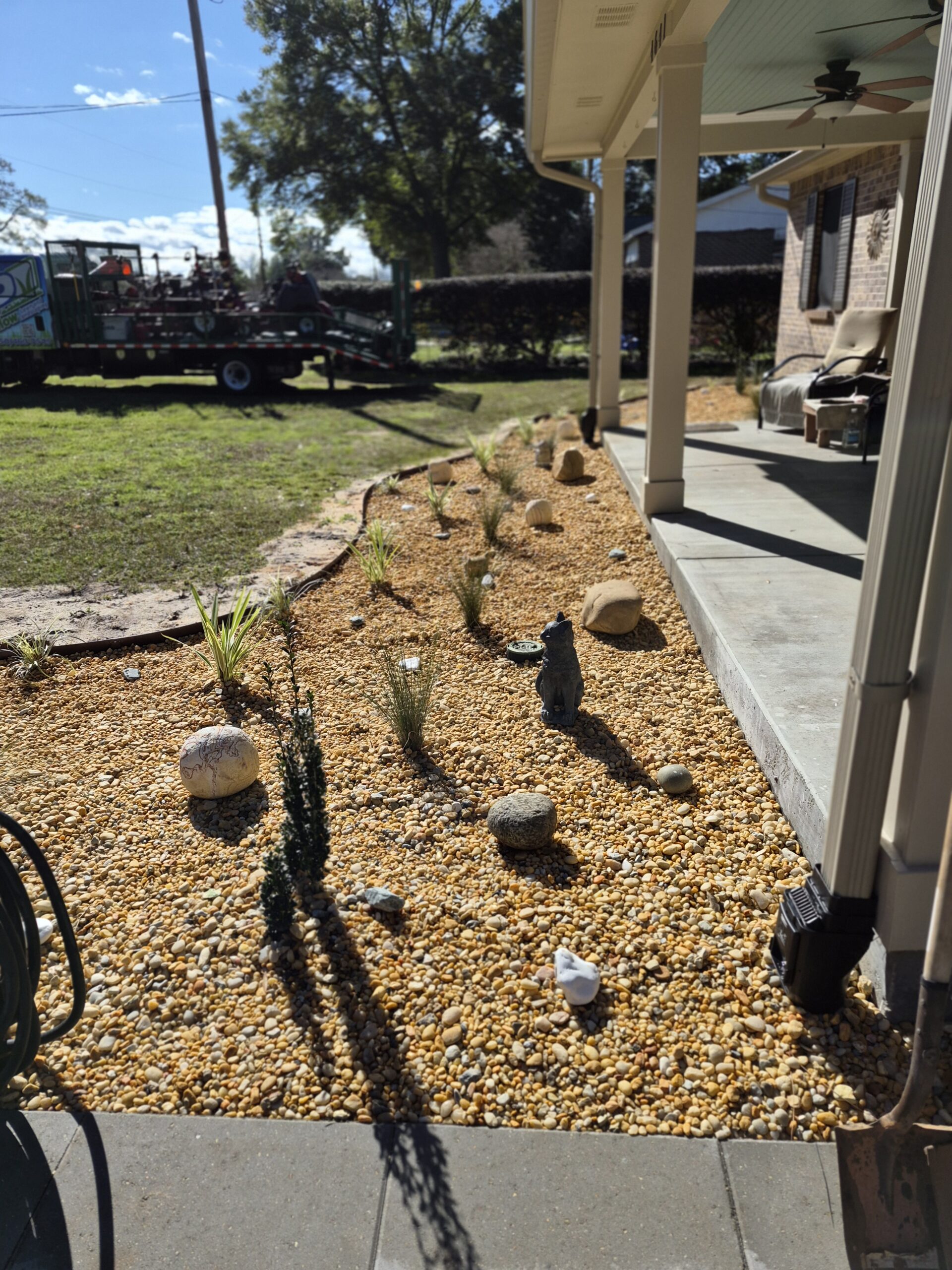
Staged work becomes effective when each stage produces a coherent, usable result. A first phase might improve the lawn and correct the edges of a key walkway; a second might reshape garden beds or add mulch. landscaping companies in Milton, FL should be able to discuss the sequence, explain dependencies, and identify work that would be costly to undo later.
| Phase | Main objective | Reason for the order |
| Site assessment | Document drainage, access, and turf issues | Prevents later work from covering unresolved problems |
| Ground preparation | Address grades and damaged lawn areas | Gives new turf and planting areas a sound base |
| Landscape finish | Refine beds, mulch, and boundaries | Protects new finishes from earlier heavy work |
| Ongoing care | Set maintenance expectations | Preserves the results of completed phases |
Budget Control Without Shortcuts
Repeated site visits or rebuilding temporary edges can introduce additional labor. In landscaping in Milton, FL, the strongest approach is to prepare the entire layout first, then complete the priorities in a logical order. Decisions about materials and bed dimensions should remain consistent across phases.
Keeping the Property Usable Between Visits
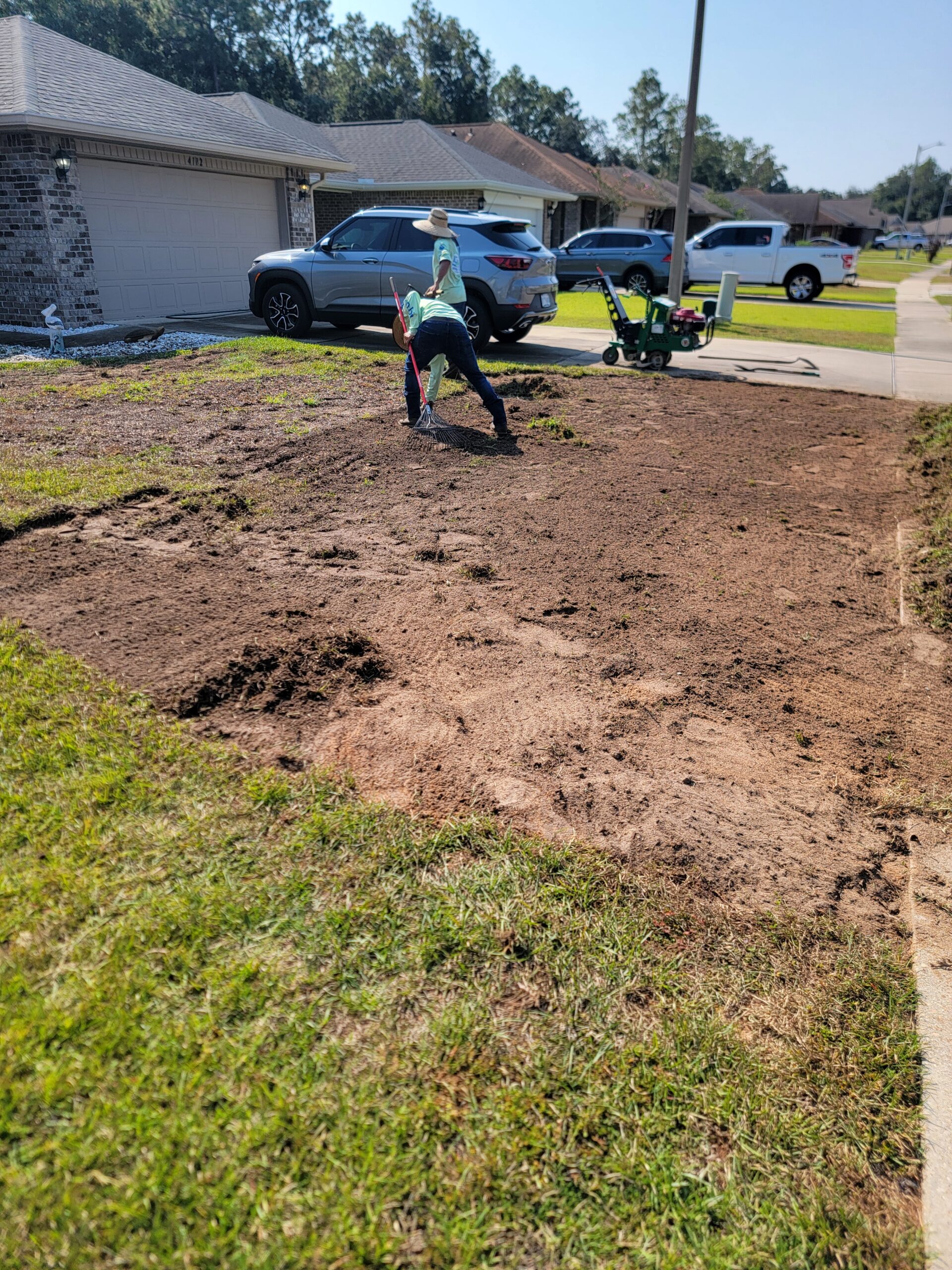
Families still need clear paths, parking access, and areas for pets between project stages. Temporary bare-soil sections can invite erosion, while unfinished grading can affect water flow. That intermediate condition deserves explicit attention in the project discussion.
The Moments When One Project Is Better
Some work belongs together. Grading and sod installation are closely connected, for example, because newly placed sod should not be lifted to correct neglected soil preparation. Similarly, drainage routes should be resolved before delicate planting. A phased renovation works best when the divisions align with construction logic rather than splitting a single dependent task in half.
- Group tasks that disturb the same soil so newly finished areas are not reopened.
- Reserve planting and mulch finishes until heavy equipment activity is complete.
- Keep site access and cleanup expectations clear at every project boundary.
- Establish a maintenance plan for completed sections while remaining work is scheduled.
Milton Landscape Improvements With a Clear Sequence
Its service descriptions emphasize tailored outdoor projects, making it a relevant provider for owners evaluating landscaping companies in Milton, FL before committing to the scope of a renovation. A clear priority list can guide the first discussion toward the property’s most pressing limitations.
ProMow Lawn & Landscape can connect landscape planning with sod preparation and maintenance considerations, helping households discuss manageable phases rather than a rushed all-at-once project. The aim is a property that remains functional while improvements take shape.
Frequently Asked Questions
- Is staged landscaping always less expensive?
No. Phasing can spread spending over time, but repeated mobilization or temporary work may increase total costs. A complete plan made in advance reduces avoidable repetition.
- Which landscape tasks should happen first?
Address drainage, grading, and access before decorative improvements. Those foundational tasks may disturb the ground and should be completed before installing delicate finishes.
- Can new sod be installed in a separate phase?
Yes, provided grading, drainage, and soil preparation are completed before installation. Newly laid sod should not need to be removed for unfinished ground corrections.
- Can a property remain usable during renovation?
Often, yes. Staged scheduling can retain access and functional outdoor areas, but each phase needs a defined cleanup and site-safety plan.
- Should mulch be added before heavy landscape work?
Usually not. Heavy work can displace or contaminate fresh mulch. Bed finishes are generally better scheduled after the major soil and installation tasks.