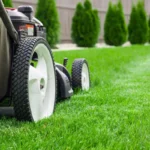
A mower can cut a level stretch beautifully and still leave pale, scraped patches on a sloped section seconds later. Uneven ground changes the relationship between the blade and the grass, especially when a mower deck crosses a ridge. Homeowners looking into landscapers in Pensacola often notice this after a routine cut, even though the visible damage began with the terrain rather than the grass itself.
The Ridge That Pulls a Blade Too Close
Scalping occurs when a blade removes so much leaf tissue that stems or underlying ground become visible. The effect can be worse with an aggressive cutting height, a wide deck, or a hurried turn. Reliable landscaping in Pace, FL planning begins with recognizing those changes in elevation before the first pass.
A Cutting Height That Respects the Ground
A slightly higher mowing setting can provide clearance across gentle humps and protect grass during stressful conditions. Skilled landscapers in Pace, FL should inspect the roughest sections first and adjust the mowing approach rather than repeatedly cutting into the same vulnerable spot.
A Route That Avoids Damage
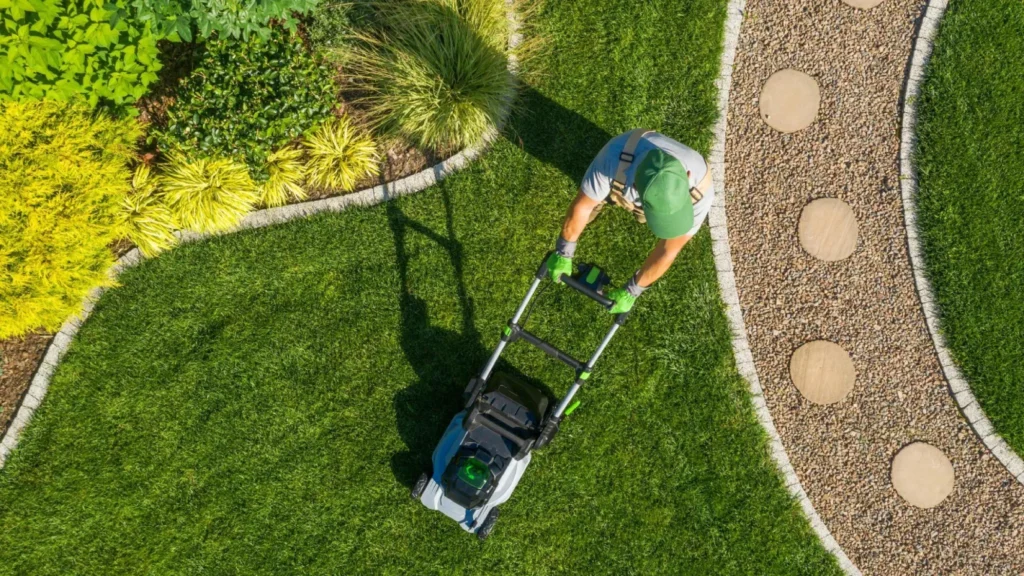
Mowing direction affects results. Operators should slow down through abrupt grade changes and avoid forcing a deck into dips. landscapers in Pensacola can also explain how edging and trimming around irregular borders provide a cleaner finish without pushing the main mower into unsuitable terrain.
- Inspect slopes and pronounced mounds before setting the mowing height.
- Reduce speed through abrupt elevation changes so the deck follows the ground more consistently.
- Trim tight ridges separately if a broad mowing deck cannot clear them safely.
- Vary the mowing route when repeated wheel tracks begin to mark the same sections.
Persistent Low Spots Call for More Than Another Pass
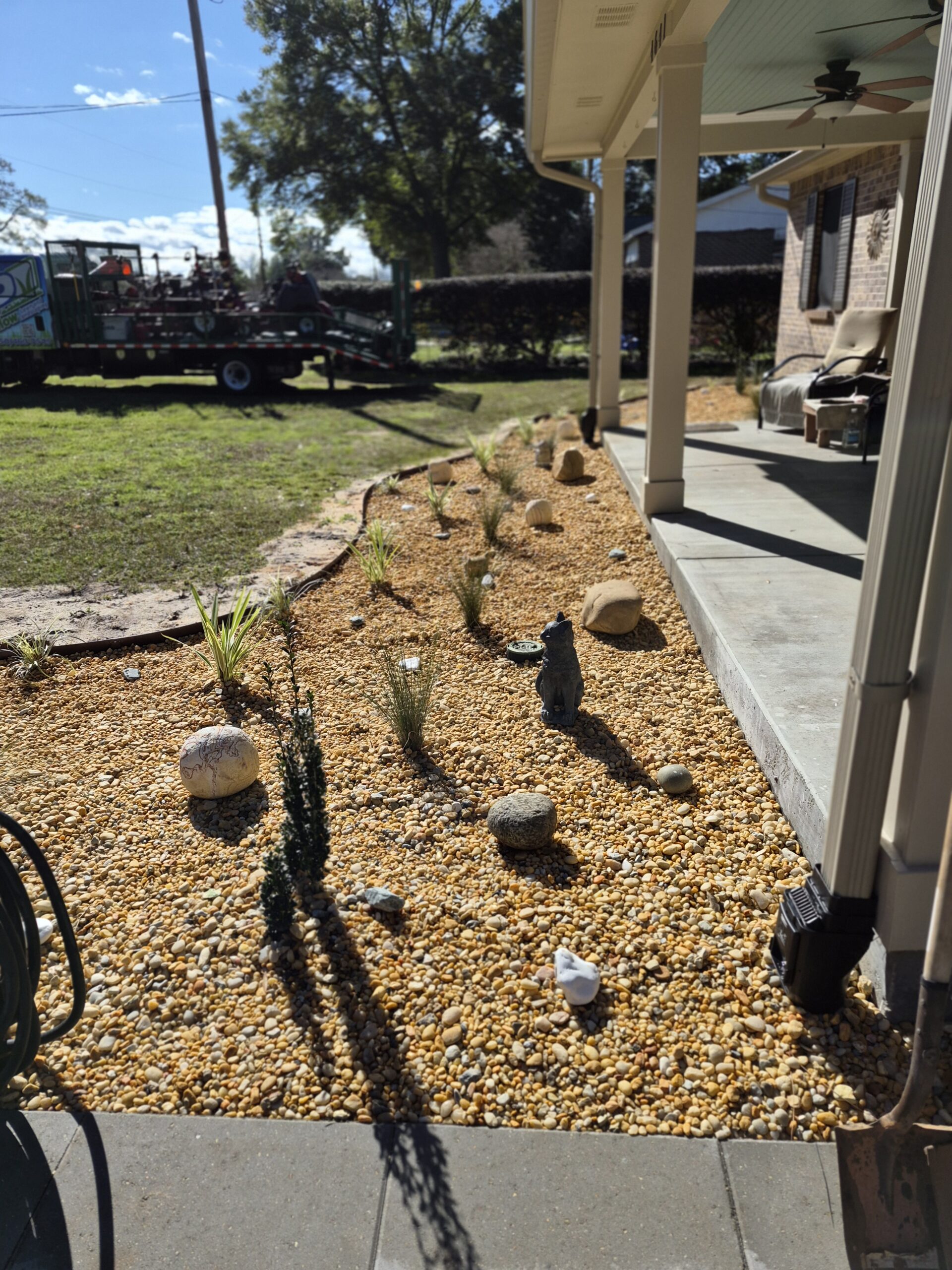
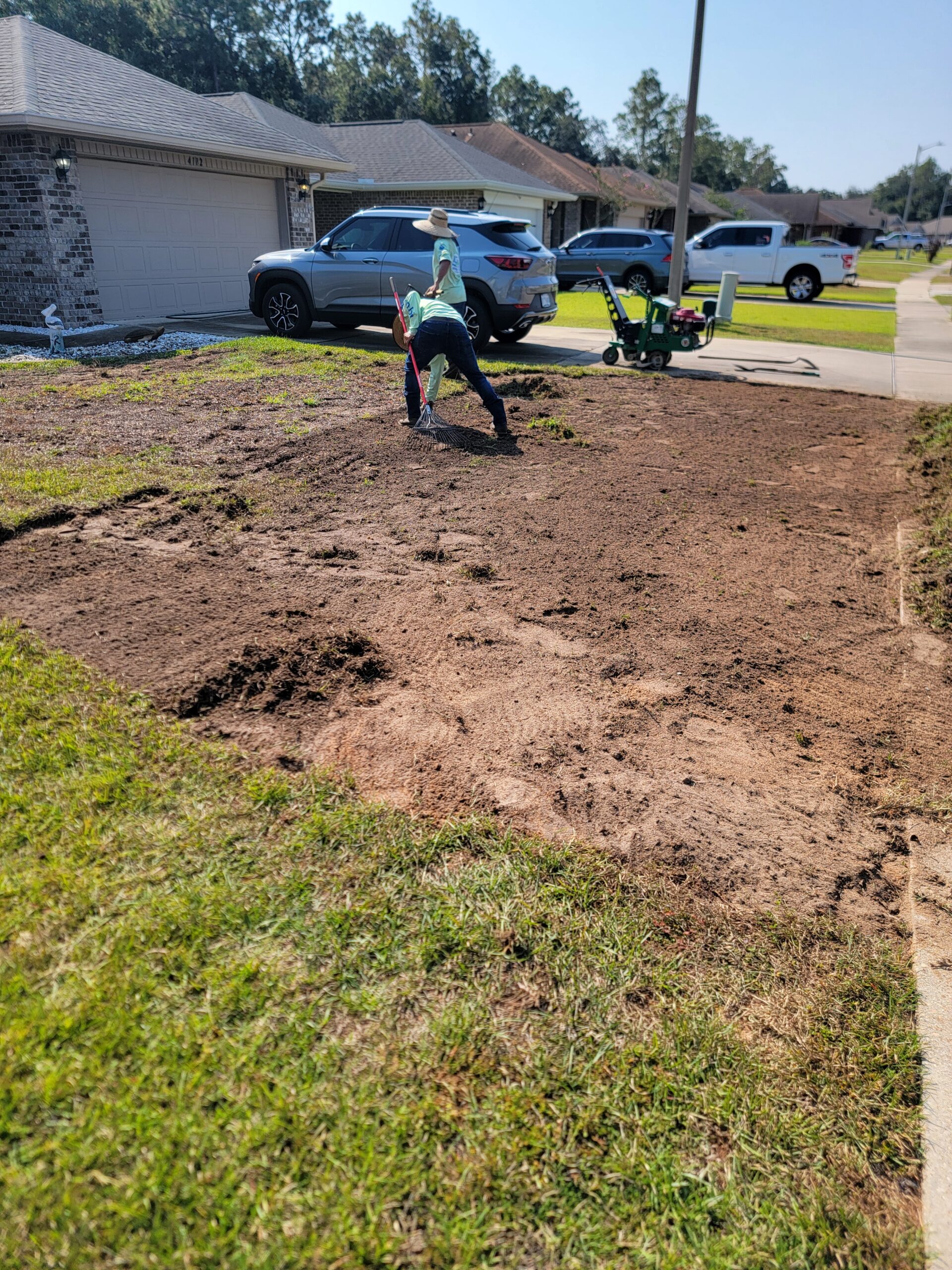
Raising the blade can reduce immediate damage, but it cannot restore a seriously irregular surface. A landscaping in Pensacola, FL discussion may therefore include soil preparation, targeted leveling, or a wider redesign of areas that collect water.
Reading the Pattern After the Crew Leaves
Wet soil that compresses under equipment can leave a different mark entirely. Experienced landscapers in Pace, FL can distinguish these visual clues by walking the yard and examining where the problem repeats. Photos from several mowing visits also reveal persistent trouble spots.
The Best Fix Depends on the Shape of the Yard
| Yard condition | Mowing adjustment |
| Low dip | Slow the pass and assess drainage |
| Raised ridge | Increase clearance and consider separate trimming |
| Repeated rut | Adjust the traffic pattern and inspect the soil |
When evaluating landscaping in Pace, FL, prioritize careful site evaluation and realistic maintenance adjustments before an unnecessary overhaul. The key is to protect healthy grass without ignoring a terrain problem that will return during the next growing cycle.
A More Considered Cut for Pace and Pensacola
Its professional-grade equipment supports a deliberate approach to yard maintenance, including properties with awkward borders and varying grades. For homeowners comparing landscapers in Pensacola, the sensible discussion starts with grass height, terrain, and the mower’s route rather than a promise that every lawn will look identical.
ProMow Lawn & Landscape can pair mowing considerations with landscaping in Pensacola, FL conversations when the underlying shape of the property deserves attention. Its emphasis on tailored outdoor care gives owners a practical way to consider small mowing adjustments before more extensive work.
Frequently Asked Questions
- Why does a mower scalp grass on a hill?
A raised area can bring the mower blade closer to the soil while the wheels remain lower on either side. The resulting cut removes too much leaf material from the crest.
- Does raising the cutting height prevent scalping?
Raising the deck can reduce the risk on modest uneven sections, but it cannot correct severe changes in grade. Mowing speed, deck width, and the route across the slope also matter.
- Should uneven grass be cut more slowly?
Yes. Slower passes give the mower a better opportunity to follow changes in terrain and allow the operator to respond to ridges, dips, and obstacles.
- Can yard leveling reduce repeated scalping?
It can. Correcting a persistent mound or depression may reduce recurring blade contact with the soil. The area should first be assessed for drainage and turf condition.
- Do narrow ridges require separate trimming?
Sometimes. If a mower deck cannot cross a pronounced ridge safely, careful string trimming may protect the surrounding grass and avoid forcing the machine into the area.