
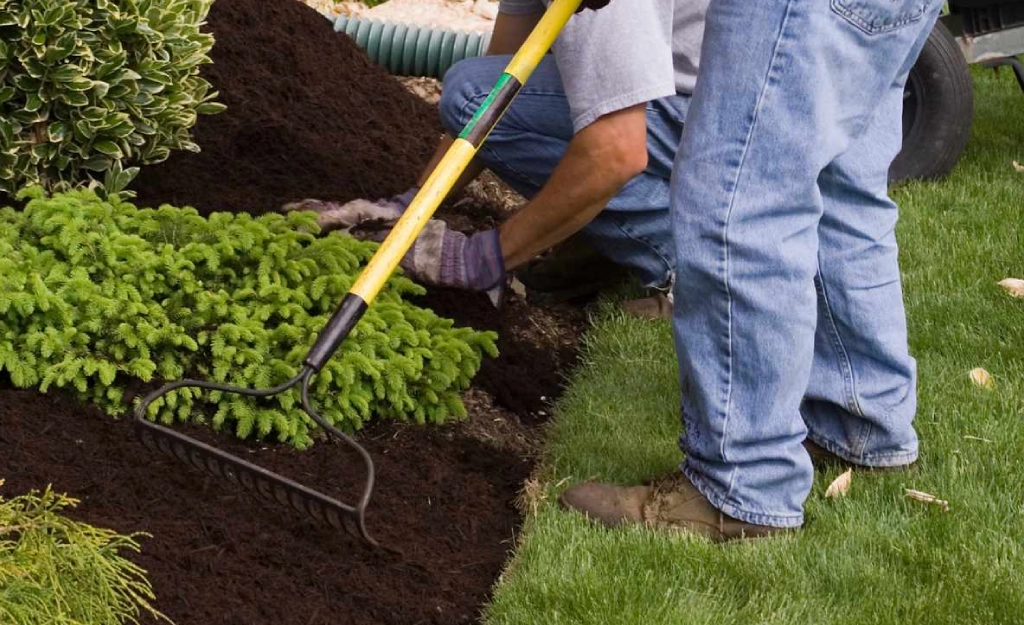
Mulch looks like a simple finishing touch: spread it around, done. But mulch installation in Pace, FL, done incorrectly- specifically, applied too thick- can actually harm the plants and soil it was meant to protect, and most homeowners never realize depth is the problem until roots start struggling weeks later.
The Instinct That Quietly Backfires
The impulse to pile mulch on thick, assuming more coverage automatically means more protection, is one of the most common mistakes in garden bed maintenance. Mulch installers in Pace, FL who understand proper application know that mulch piled too deep actually blocks water and oxygen from reaching plant roots, essentially suffocating the soil beneath it rather than protecting it the way it’s supposed to.
Excess mulch also traps moisture directly against stems and trunks, creating exactly the damp, dark conditions that invite rot, fungal disease, and pest activity, problems that surface weeks or even months after installation rather than immediately when the bed still looks freshly finished.
Getting the Depth Right, Area by Area
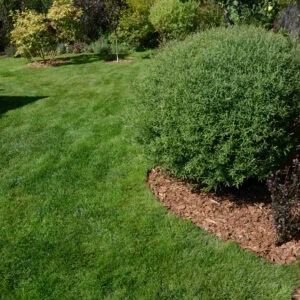
- Garden beds and planting areas: 2 to 3 inches is generally ideal, enough to suppress weeds and retain moisture without smothering roots underneath
- Around tree trunks: Keep mulch several inches away from the trunk itself, avoiding the “mulch volcano” look that traps moisture directly against bark
- Newly planted areas: Slightly less depth, around 2 inches, gives new root systems room to establish without an excess barrier overhead
- Sloped beds: A slightly deeper application helps with erosion control, though still within the healthy 2 to 4 inch range
- Areas with existing mulch: Rake and refresh what’s there rather than adding a full new layer on top, since old mulch that hasn’t fully broken down compounds depth problems over time
Why Refreshing Beats Piling On
A bed that already carries a layer of decomposing mulch doesn’t need a full fresh application stacked on top. ProMow Lawn & Landscaping’s crews typically rake existing material to loosen and redistribute it first, only adding new mulch where the layer has genuinely thinned, which keeps depth consistent rather than compounding year over year into a problem nobody notices until plants start declining.
Reading the Warning Signs Before Plants Fully Decline
Mulch installation in Pace, FL, applied too thick often shows warning signs before plants visibly suffer; yellowing leaves, slowed growth, or a persistently damp smell coming from the beds are all indicators worth investigating right away. Pulling back mulch near a struggling plant and checking whether the soil underneath feels overly wet or compacted usually confirms the issue within minutes.
| Warning Sign | What It Usually Means |
| Yellowing leaves | Roots may be oxygen-deprived from excess depth. |
| Persistent damp smell | Trapped moisture, possible early rot. |
| Slowed or stalled growth | Roots struggling to access water and air. |
| Visible mold on mulch surface | Excess moisture retention from overapplication. |
| Soft, mushy stems near soil line | Rot developing from prolonged moisture contact. |
Mulch installers in Pace, FL who genuinely understand this balance measure and check depth as part of the installation process itself, rather than simply spreading material until a bed visually looks full, which is exactly the shortcut that leads to over-application in the first place.
Why the Right Timing Matters as Much as the Right Depth
Mulch applied at the start of a hot, wet season behaves differently than the same material applied heading into a cooler, drier stretch, since moisture retention needs shift with the weather. Getting the timing right alongside the depth is part of what separates a bed that thrives through the season from one that struggles quietly under a layer that seemed reasonable on installation day.
Depth Done Right Protects What You’re Actually Trying to Grow
Garden beds thrive on balance: enough mulch to retain moisture and block weeds, without so much that roots and soil suffocate underneath it. ProMow Lawn & Landscaping measures and installs mulch to proper depth every single time, protecting your plants instead of just filling the bed to look finished. Your garden beds deserve coverage that actually protects them, and ProMow Lawn & Landscaping measures every application to make sure that’s exactly what they get.
FAQs
Q: What is the ideal mulch depth for most garden beds?
A: Generally, 2 to 3 inches is ideal, providing enough coverage to suppress weeds and retain moisture without blocking oxygen and water from reaching plant roots.
Q: Can too much mulch actually harm plants?
A: Yes. Mulch applied too thick can suffocate roots, trap excess moisture against stems, and create conditions favorable to rot, fungal disease, and pest activity.
Q: Why should mulch be kept away from tree trunks?
A: Piling mulch directly against a trunk traps moisture against the bark, which can lead to rot and disease, a common mistake known as mulch volcanoing.
Q: How can I tell if my existing mulch is too deep?
A: Signs include yellowing or struggling plants, a persistently damp smell, or visibly compacted, overly wet soil when you pull back the mulch layer to check.
Q: Should old mulch be removed before adding new mulch?
A: It’s often best to rake and refresh existing mulch rather than piling a new layer directly on top, since accumulated old mulch can compound depth problems over time.