A lawn may look green on the surface while struggling underneath, which is why lawn aeration in Pace, FL plays such an important role in long-term turf health. Over time, soil naturally becomes compacted from foot traffic, mowing, rainfall, and seasonal pressure. When that compaction is not relieved, the grass roots have difficulty accessing air, water, and nutrients. The result is slower growth, thinning areas, and turf that becomes more sensitive to heat and weather changes.
Regular aeration plays a practical role in keeping soil balanced. Without it, lawns can gradually weaken even when mowing and watering are handled properly. Understanding what happens below the surface helps explain why this step matters.
How Lawn Aeration In Pace, FL Supports Stronger Root Growth
Healthy grass depends on strong roots. When soil becomes dense, roots struggle to grow deeper. Instead of spreading downward, they remain shallow and more vulnerable to temperature shifts.
Without consistent lawn aeration in Pace, FL, compacted soil can prevent moisture from moving evenly through the ground. Water may pool on the surface or run off before reaching deeper layers. This uneven distribution stresses turf over time.
Compaction also reduces the natural airflow within soil. Grass roots require oxygen to function properly. When airflow is limited, overall lawn vitality decreases, and recovery from stress becomes slower.
Why Yard Aeration Services Help Improve Drainage Stability
Drainage problems often begin gradually. When soil is not opened through routine aeration, heavy rainfall can sit on the surface rather than absorb evenly. This creates soggy areas that weaken turf and increase the risk of disease.
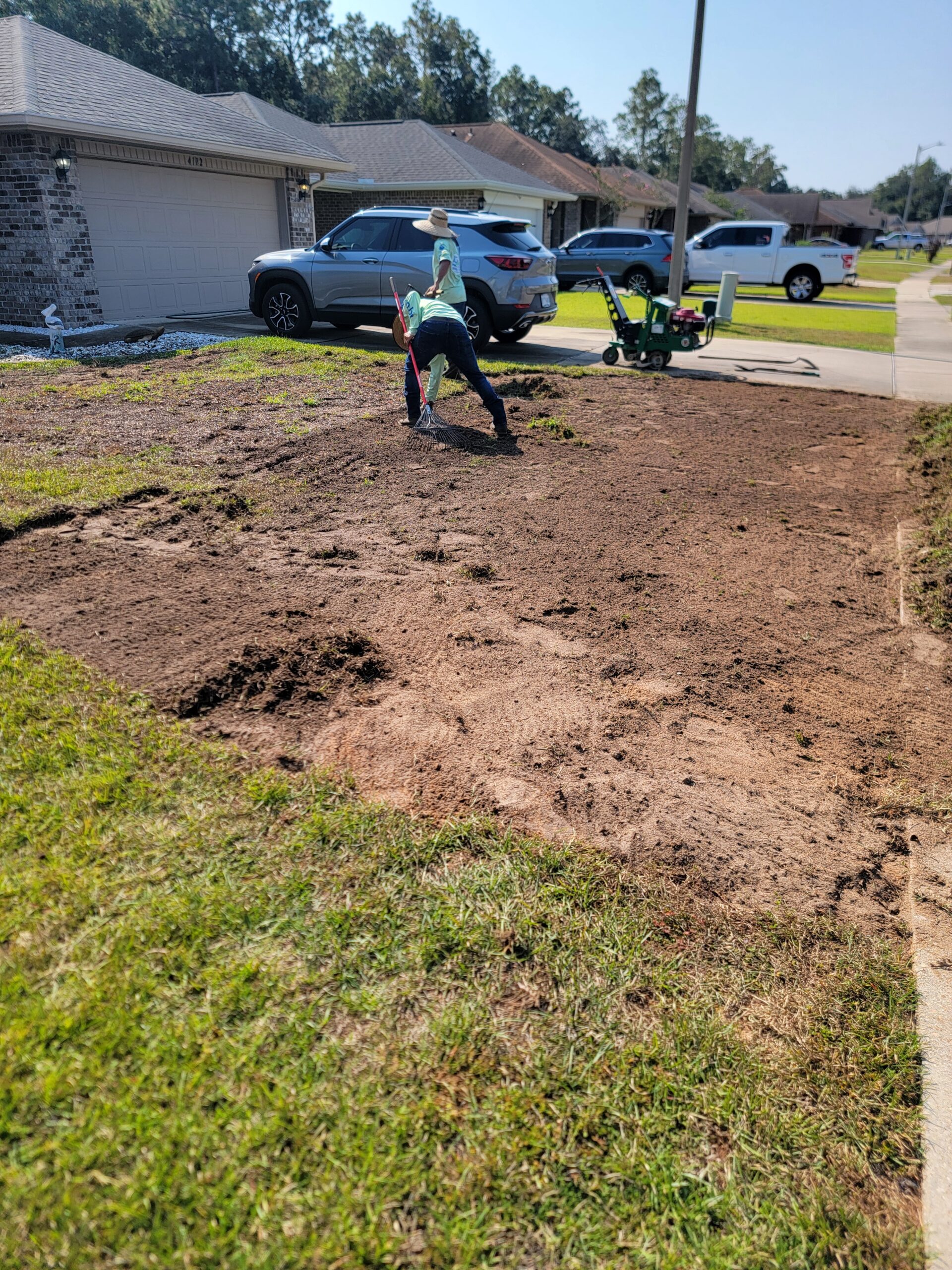
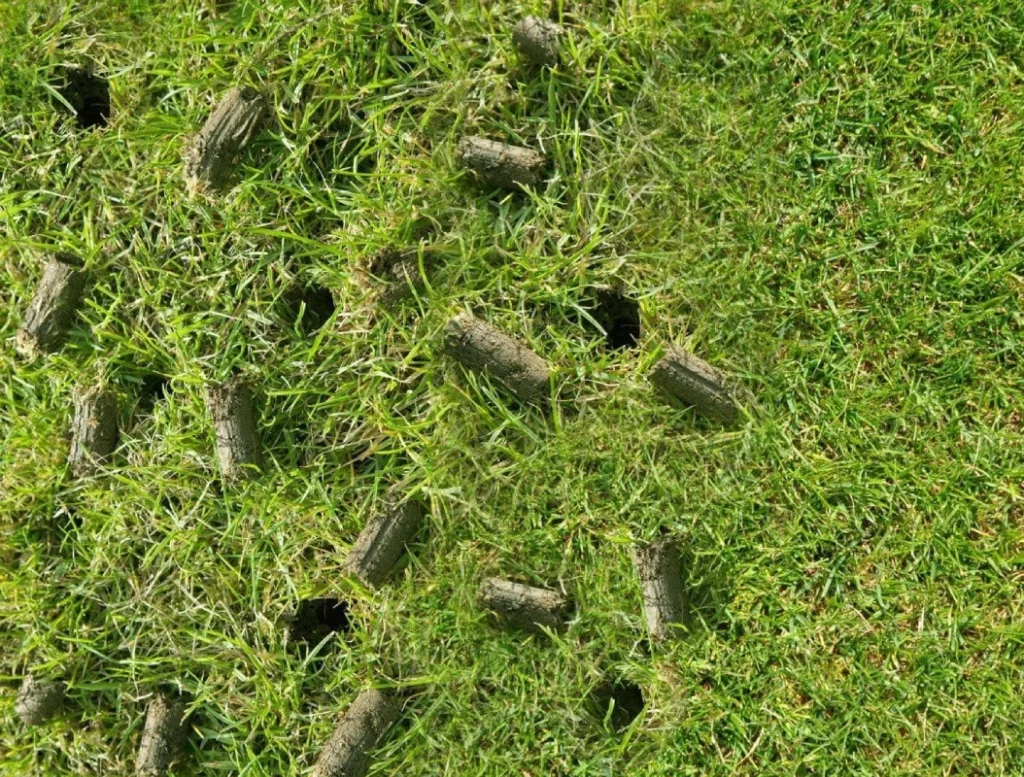
Yard aeration services help address this by creating small openings in the soil. These openings allow water to move more freely and reduce surface pooling. Without these pathways, roots remain stressed, and lawns may show signs of thinning.
Inconsistent drainage can also lead to uneven growth patterns. Some areas may dry out quickly, while others stay overly wet. This imbalance makes it harder for grass to grow uniformly across the yard.
How Professional Lawn Aeration Enhances Nutrient Movement In Soil
Fertilizers and natural nutrients in the soil must reach the root zone to support growth. When soil remains compacted, nutrients often sit near the surface instead of penetrating deeply.
Professional lawn aeration improves the movement of nutrients into the soil profile. Without it, grass may appear pale or struggle to thicken even with regular care. Over time, this can lead to patchy sections and reduced density.
By allowing nutrients to move more effectively, aeration supports steady development beneath the surface. Without that support, lawns often require more effort to maintain the same appearance.
Increased Weed Pressure in Weak Turf
When grass becomes thin due to compacted soil, open spaces appear between blades. These openings create opportunities for weeds to establish themselves. Weaker turf cannot compete as effectively for nutrients and sunlight.
Routine lawn aeration in Pace, FL, supports thicker growth by strengthening the root system. Without it, lawns may gradually lose density, giving unwanted plants room to spread.
Weed growth is often a symptom of stressed soil conditions rather than the primary issue. Addressing compaction through yard aeration services can help restore balance and reduce those opportunities.
Slower Recovery After Heat and Rain
Florida weather can place ongoing stress on grass. Heat, humidity, and sudden storms all test the resilience of turf. When soil is compacted, recovery after these events becomes slower.
Professional lawn aeration allows roots to access air and water more effectively. Without that relief, grass may take longer to rebound after extended sun exposure or heavy rainfall.
Regular aeration supports a lawn that handles seasonal changes more steadily. While it does not eliminate weather pressure, it strengthens the foundation needed for healthier recovery.
Restore Stronger Soil with Promow Lawn & Landscape Today
ProMow Lawn & Landscape understands that healthy turf begins below the surface. Soil compaction often develops slowly, making it difficult for homeowners to recognize the problem until grass starts thinning, drainage becomes uneven, or lawn recovery slows after changing weather conditions. Consistent aeration helps create better soil movement, steadier root development, and stronger turf performance throughout the year.
If your yard feels dense underfoot, struggles with standing water, or no longer responds well to watering and fertilization, it may be time to improve the condition of the soil itself. Contact ProMow Lawn & Landscape to schedule a lawn evaluation and learn how routine aeration can help support stronger growth and more balanced lawn conditions across Pace and nearby communities.
Frequently Asked Questions
1: How often should aeration be done during the year?
Most lawns benefit from aeration at least once annually, though properties with heavy foot traffic or dense soil may require more frequent attention.
2: What time of year is best for soil aeration?
Aeration is typically most effective during active growing seasons when grass can recover quickly, and roots can expand into newly opened soil channels.
3: Can aeration help reduce standing water after rain?
Yes, creating openings in the soil improves water movement below the surface, which helps minimize surface pooling after heavy rainfall.
4: Will aeration damage my existing grass?
When performed correctly, aeration does not harm turf. Instead, it supports healthier growth by relieving soil compaction beneath the surface.
5: How do I know if my soil is too compacted?
If your yard feels hard underfoot, drains slowly, or shows uneven growth despite routine care, compacted soil may be limiting root development.